Wai Marang Waterfall: East Sumba's Best Kept Secret
East Sumba is famous for its open savannahs, rolling hills and traditional villages but few visitors know about the waterfalls hidden within its interior. Air Terjun Wai Marang is one of the finest -- a beautiful jungle cascade tucked away in the forested hills of East Sumba that rewards adventurous travellers with one of the most peaceful and visually striking natural swimming experiences on the island.
Wai Marang sits well off the main tourist routes that connect Waingapu to Wairinding Hill and Walakiri Beach. Finding it requires local knowledge, a reliable vehicle and a genuine spirit of adventure. But those who make the journey consistently describe it as one of the highlights of their time in East Sumba -- a place that feels genuinely discovered rather than merely visited.
The Waterfall and Swimming Pool
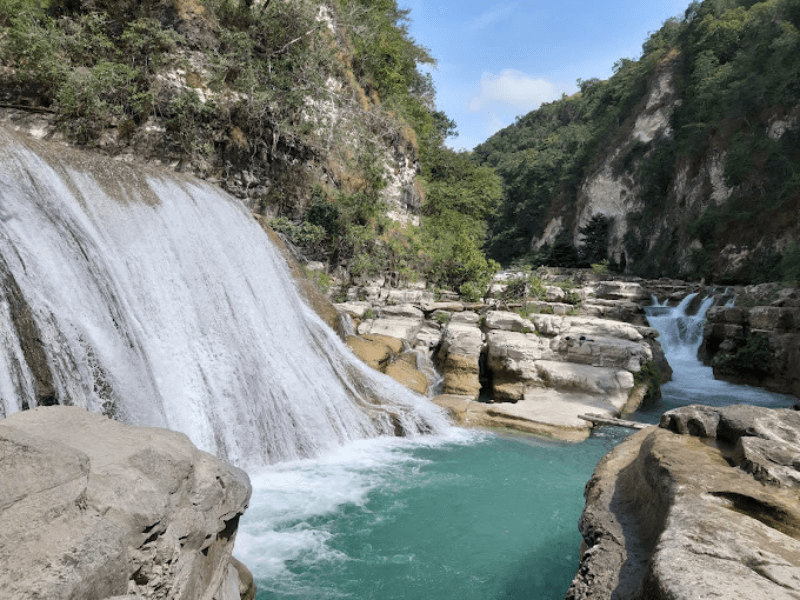
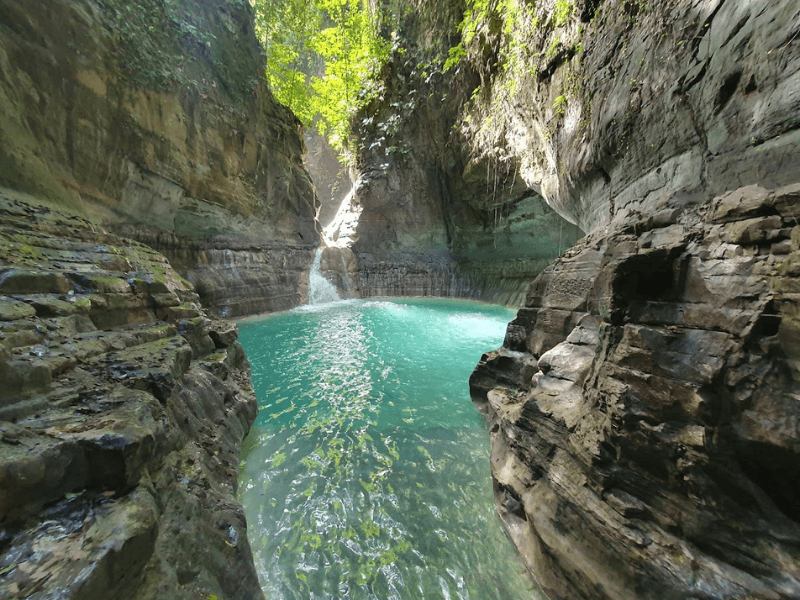
Wai Marang drops in a clean cascade into a natural pool at its base, surrounded by tropical forest that keeps the area cool and shaded even in the heat of the dry season. The pool is clear and inviting -- the kind of swimming spot that makes you want to stay for hours rather than the quick dip most waterfall visits become.
The forest setting of Wai Marang gives it a different character to Sumba's west coast waterfalls. East Sumba's vegetation is denser and more tropical in the river valleys and the sound of the forest -- birds, insects, the movement of leaves -- creates an atmosphere of complete immersion in nature. There are no vendors, no entrance gates and no crowds. Just the waterfall, the pool and the forest.
The water at Wai Marang is cool and clean, fed by streams running through the undisturbed forest above. Swimming here after the hike in the East Sumba heat is one of those simple pleasures that stays with you long after you leave the island.
The Hike to Wai Marang
Getting to Wai Marang involves a hike through East Sumba's forest terrain. The trail is not formally maintained and follows paths established by locals over generations rather than constructed tourist infrastructure.
Difficulty level: Moderate. The hike involves uneven forest terrain with some slippery sections, particularly after rain. There are no extreme technical challenges but the path requires attention and appropriate footwear. The descent to the waterfall pool is the steepest section -- take your time and use available handholds where the path is narrow.
The hiking time from the road to the waterfall is approximately 20 to 40 minutes one way depending on the starting point and your pace. Allow at least 2 hours total for the full experience including swimming time. The return hike back to the vehicle takes similar time as the descent.
A local guide is essential for reaching Wai Marang. The location is not marked on Google Maps and the access route requires knowledge that only locals possess. Your guide will also identify safe swimming areas and provide context about the forest ecosystem and local traditions connected to the waterfall.
What Makes Wai Marang Special
In an era when even remote destinations can feel overrun with visitors, Wai Marang offers something genuinely rare -- solitude. On most visits you will have the waterfall entirely to yourself. The absence of tourism infrastructure that might frustrate visitors at other destinations is precisely what makes Wai Marang special. This is Sumba as it has always been -- raw, beautiful and completely unspoiled.
The surrounding forest is excellent for bird watching. East Sumba's endemic bird species are well represented in the forest along the Wai Marang trail and early morning visits offer the best chance of encountering the island's most distinctive avian residents in their natural habitat.
Getting to Wai Marang from Waingapu
Air Terjun Wai Marang is located in East Sumba, accessible from Waingapu with a local guide. The drive from Waingapu takes approximately 1 to 1.5 hours on roads that include both sealed and unsealed sections. A vehicle with reasonable ground clearance is recommended particularly during and after the wet season when road surfaces can deteriorate.
Use Sumba Map to find Air Terjun Wai Marang and get directions to the trailhead from your current location on the island. The offline capability of Sumba Map is important for this destination as mobile signal in this part of East Sumba can be unreliable.
What to Bring
- Sturdy closed-toe shoes that can handle uneven wet terrain
- Swimwear -- the pool is excellent for swimming
- Waterproof bag for phone and camera
- Minimum 1.5 litres of water per person
- Snacks for energy on the return hike
- Insect repellent -- forest hiking in East Sumba requires it
- Cash for your guide
- A small towel and dry change of clothes
Best Time to Visit
The dry season from May to October offers the best hiking conditions and safest swimming at Wai Marang. The paths are more manageable when dry and the swimming pool is calmer and cleaner with lower water levels. Early morning visits are strongly recommended -- the forest light in the first hours of the day is beautiful and the temperature is cooler for the hike.
During the wet season from November to April the waterfall is more dramatic and the surrounding forest spectacularly green but trail conditions can be challenging. Only attempt wet season visits with an experienced guide who knows current conditions.
Combining Wai Marang with Other East Sumba Attractions
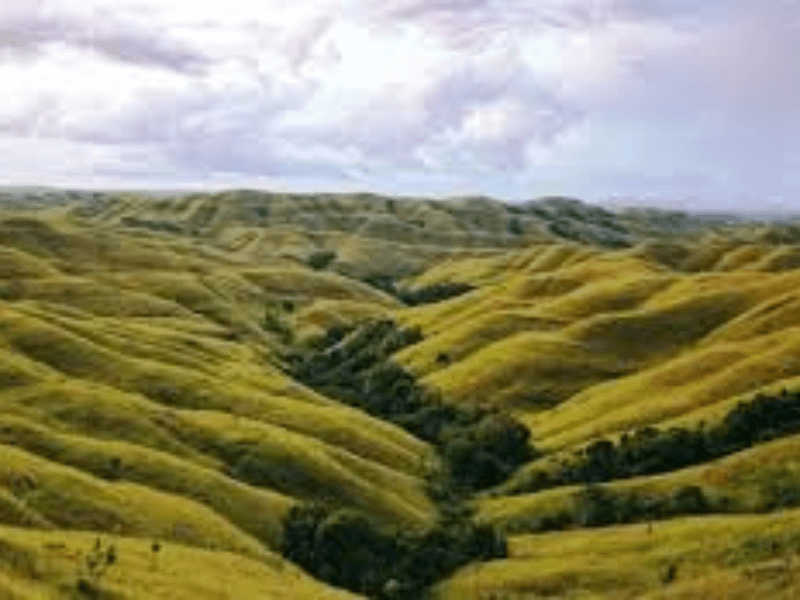
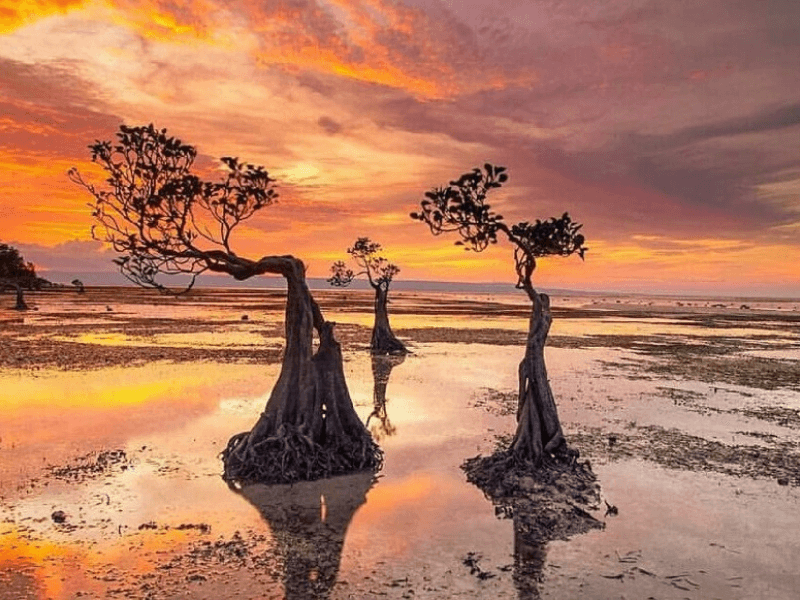
Wai Marang works well as a morning activity before heading to Wairinding Hill for the late afternoon or to Walakiri Beach for the famous dancing trees at sunset. East Sumba offers a full and rewarding day that combines the island's natural diversity -- jungle waterfall in the morning, savannah landscape in the afternoon and coastal beauty at sunset.
Practical Information