Tanggedu Waterfall: East Sumba's Most Dramatic Natural Wonder
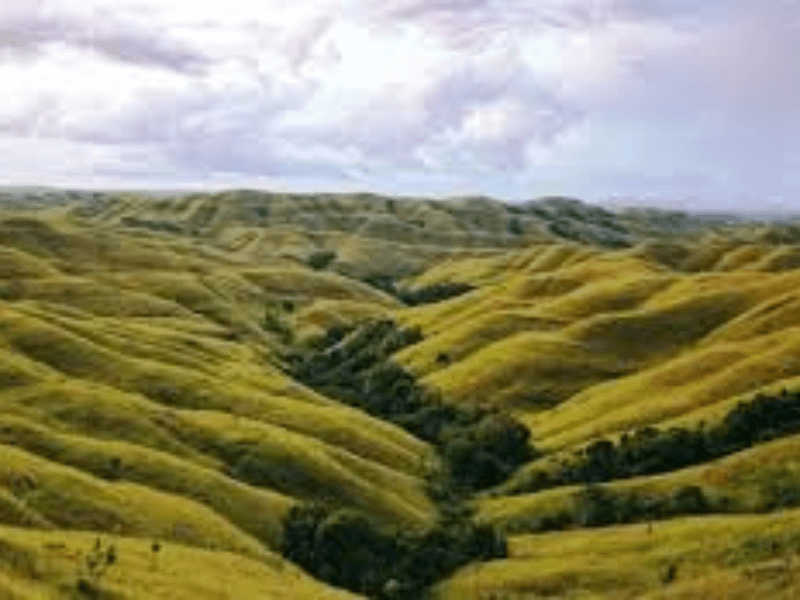
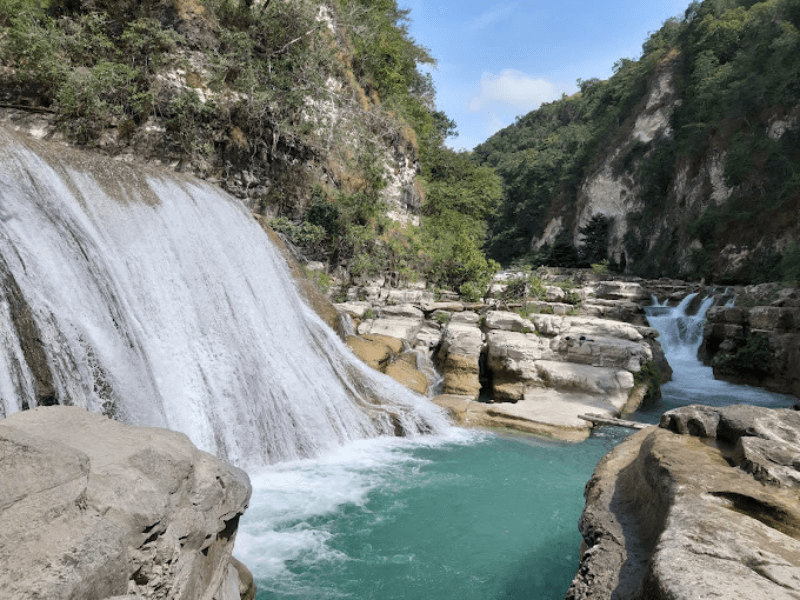
East Sumba is known primarily for its savannahs, its ikat weaving traditions and its iconic Wairinding Hill. But hidden within its interior lies a natural wonder that surprises even experienced Sumba travellers. Tanggedu Waterfall -- known locally as Air Terjun Tanggedu -- sits within a dramatic limestone canyon landscape that has earned it the nickname the Grand Canyon of Sumba. The combination of the falls, the canyon walls and the river below creates one of the most visually extraordinary scenes on the entire island.
Tanggedu is not the easiest waterfall to reach in Sumba but it is arguably the most spectacular. The journey to get there -- through East Sumba's characteristic open savannah and then down into the canyon -- is an adventure in itself and arrives at a destination that rewards every bit of the effort required.
The Canyon Landscape
What makes Tanggedu unique among Sumba's waterfalls is not just the waterfall itself but the geological setting it inhabits. The falls drop into a series of pools within a limestone canyon whose walls rise dramatically on both sides, creating a sheltered natural amphitheatre. The rock formations here are ancient and dramatic -- layered limestone carved by millennia of water into forms that feel more like Arizona than Indonesia.
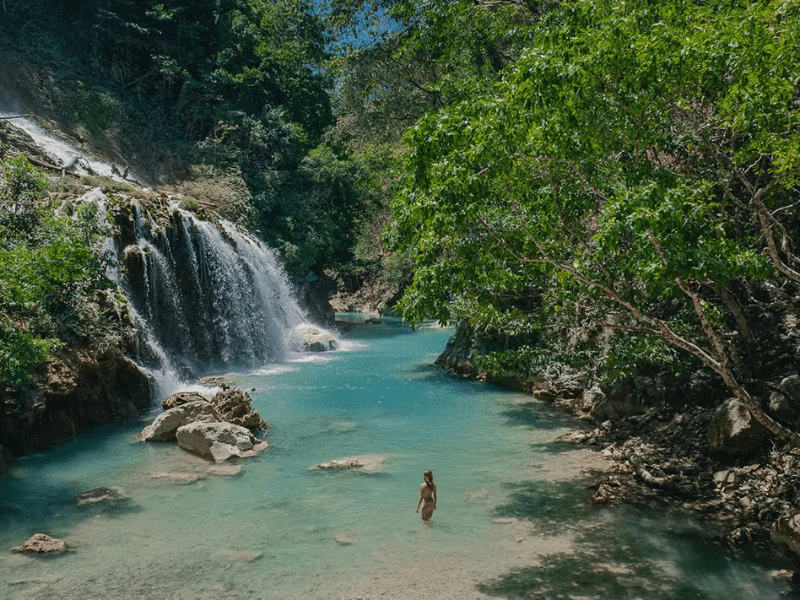
The pools below the main falls are extraordinary -- crystal clear water in shades of turquoise and green, reflecting the canyon walls above. Multiple tiers of falls and cascades flow through the canyon creating a series of swimming spots, each one more beautiful than the last as you move deeper into the gorge.
The Hike to Tanggedu Waterfall
The hike to Tanggedu is the most talked about element of the experience and rightly so. The trail descends from the plateau into the canyon and the change in landscape is dramatic -- from open savannah to lush canyon vegetation within the space of a few hundred metres.
Difficulty level: Moderate to Challenging. The descent into the canyon is steep in places and requires careful footing. The path is not a formal maintained trail -- it follows routes established by local guides and can be unclear in sections. The return journey, climbing back out of the canyon, is the most physically demanding part of the experience. Allow more time for the return than the descent.
The total hike from the parking area to the main waterfall pool takes approximately 30 minutes to 1 hour depending on pace and conditions. The path involves scrambling over rocks in the final section approaching the falls. Proper footwear is non-negotiable -- flip flops or sandals without ankle support are not appropriate for this hike.
A local guide is essential for Tanggedu. The path is not clearly marked, the terrain can be genuinely challenging and a guide will identify the best and safest route through the canyon based on current conditions. Do not attempt Tanggedu without local guidance.
Swimming at Tanggedu
The pools at the base of Tanggedu's various falls are among the most beautiful swimming spots in Sumba. The water is clear and cool, the canyon walls provide shade from the intense tropical sun and the sound of falling water creates an atmosphere of complete immersion in nature.
The main pool below the largest fall is the most popular swimming spot. The water is deep enough for jumping from the surrounding rocks -- local guides know which entry points are safe. Further into the canyon additional pools offer quieter swimming away from the main tourist area.
Swimming conditions are best during the dry season from May to October when water levels are lower and the pools are calmer. During the wet season the canyon can flood rapidly and swimming may be unsafe -- always check conditions with your guide before entering the water.
Getting to Tanggedu from Waingapu
Tanggedu Waterfall is located in East Sumba, approximately 65 kilometres from Waingapu. The drive takes around 1.5 to 2 hours on roads that transition from sealed to unsealed as you approach the canyon area. The final approach road is rough and a vehicle with good ground clearance is strongly recommended. The journey to Tanggedu passes through some of East Sumba's most beautiful open savannah landscape -- the drive itself is worth the effort.
Use Sumba Map to find Tanggedu Waterfall and get accurate directions from your current location. Google Maps data for this area of East Sumba is unreliable and Sumba Map's offline functionality is particularly valuable for this remote destination.
What to Bring for the Tanggedu Hike
- Sturdy closed-toe hiking shoes with ankle support -- essential for the canyon terrain
- Swimwear -- the pools are extraordinary
- Waterproof bag for all electronics -- canyon spray and water crossings are likely
- Minimum 2 litres of water per person -- the hike and heat are dehydrating
- Energy snacks -- the return hike is demanding
- Insect repellent
- Cash for guide fees -- non-negotiable for this location
- A change of dry clothes for the return journey
Best Time to Visit Tanggedu
The dry season from May to October offers the best and safest conditions for hiking and swimming at Tanggedu. The paths are drier, the canyon is more accessible and the swimming pools are at their most inviting. Early morning is the best time to arrive -- the canyon fills with warm light as the sun rises and the temperature is cooler for the hike.
During the wet season the waterfall is more dramatic and the surrounding landscape more lush and green but the canyon can be dangerous after heavy rain. Always check conditions locally before attempting the hike during the wet season months.
Combining Tanggedu with Other East Sumba Attractions
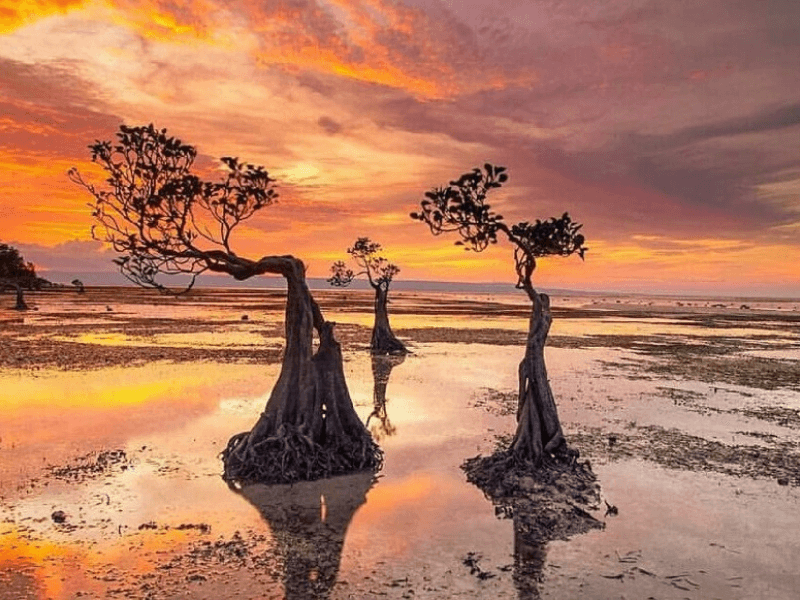
Tanggedu is best combined with a Wairinding Hill sunrise and a visit to Walakiri Beach for an extraordinary full day covering East Sumba's most iconic natural attractions. Start at Wairinding for sunrise, drive to Tanggedu for a mid-morning hike and swim, then head to Walakiri Beach for the famous dancing trees at sunset.
Practical Information