Laindamamuki: The Waterfall That Rewards the Adventurous
Not every waterfall in Sumba appears in travel guides. Air Terjun Laindamamuki is one of those places that has remained largely unknown to the international travel community -- visited primarily by locals and the small number of adventurous travellers who hear about it through word of mouth or from knowledgeable local guides. That obscurity is both its greatest challenge and its greatest reward. Arriving at Laindamamuki feels like a genuine discovery in an age when truly undiscovered places are increasingly rare.
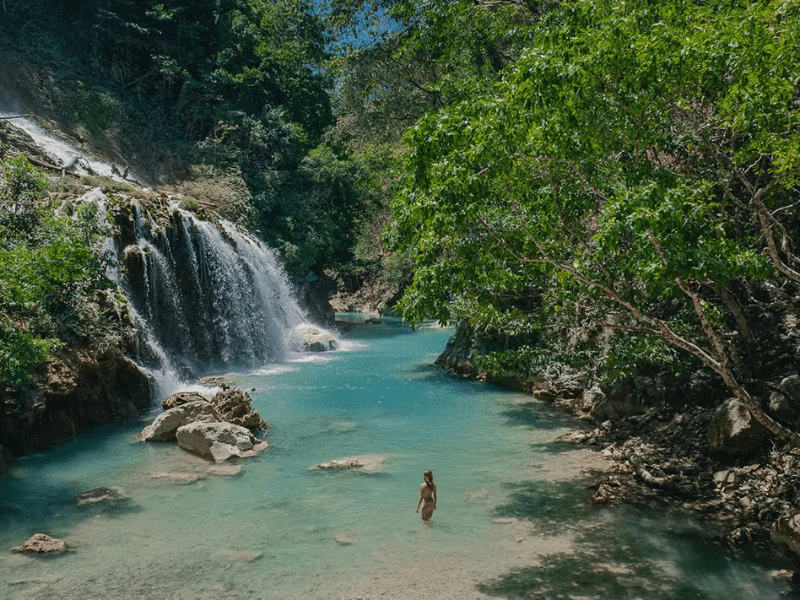
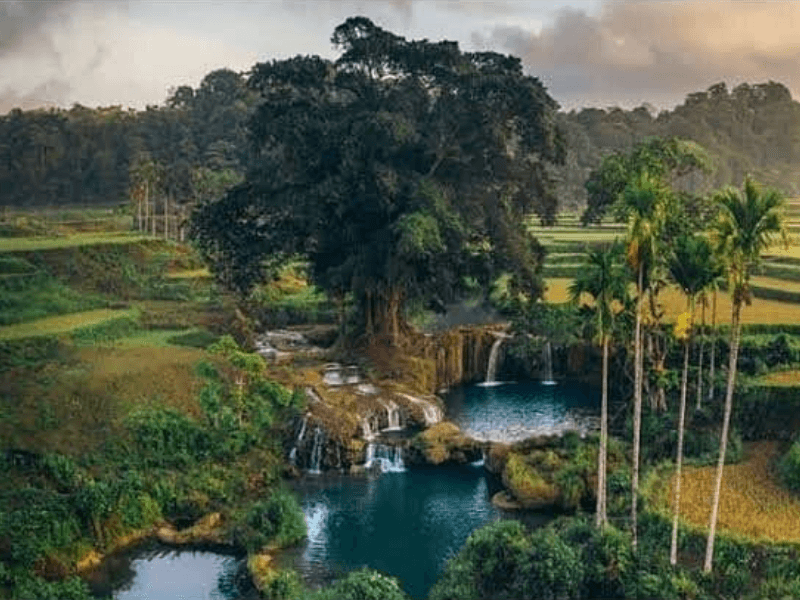
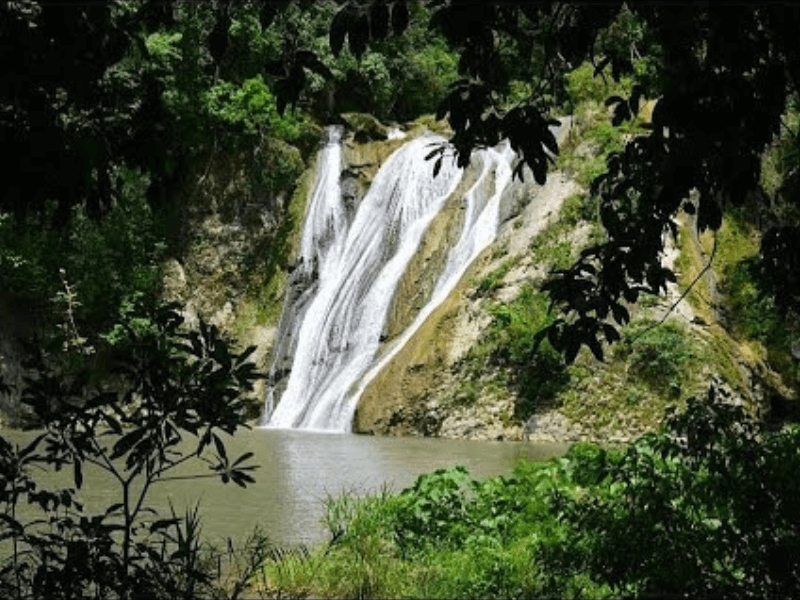
The waterfall itself is beautiful -- a multi-tiered cascade through dense tropical vegetation into a series of natural pools that are perfect for swimming. But what makes Laindamamuki special is the journey to reach it. The hike passes through some of the most untouched forest on the island, crossing streams and climbing through vegetation that feels genuinely wild.
The Hike to Laindamamuki
The hike to Laindamamuki is the defining element of the experience. This is not a well-maintained tourist trail with signage and railings -- it is a route through living jungle that requires a competent local guide and a genuine spirit of adventure.
Difficulty level: Moderate to Challenging. The trail involves stream crossings that can be knee-deep depending on recent rainfall, uneven and sometimes slippery terrain through the forest, and sections where the path is more suggested than defined. The physical demands are real -- this hike will test your fitness and your footing. It is one of the more demanding waterfall hikes on the island.
The total hike to the main waterfall takes approximately 45 minutes to 1.5 hours depending on the starting point and conditions. Stream crossings are the most technically demanding element -- wearing footwear that can get wet and still provide grip is essential. The hike back takes similar time and requires the same level of care.
A local guide is absolutely essential for Laindamamuki. The path is not findable without local knowledge and the stream crossings require guidance on safe crossing points that change with water levels. This is not a hike to attempt independently.
The Waterfall and Swimming Pools
The reward for the hike is a waterfall that feels completely private. Laindamamuki's cascade drops through multiple tiers of rock into pools that are clear, cool and inviting. The forest canopy overhead filters the light creating dappled patterns on the water surface. The sound of the jungle -- birds, insects, the rush of water -- is the only soundtrack.
The swimming pools at the base are excellent. The water is clean and refreshing, the depth is suitable for swimming and the surrounding rocks provide natural platforms for resting between swims. On a hot Sumba day the cool water of Laindamamuki is one of the most rewarding experiences the island offers.
The privacy of this location is its most valuable quality. Unlike Sumba's more accessible waterfalls, Laindamamuki almost never has crowds. On most days you will have the falls entirely to yourself -- a genuinely rare experience in 2026 travel.
The Forest Environment
The jungle surrounding Laindamamuki is some of the most intact forest remaining in this part of Sumba. The trail passes through vegetation that ranges from open woodland to dense tropical forest depending on the terrain. Bird life is excellent along the route -- listen for the distinctive calls of Sumba's endemic species in the forest canopy above.
The stream crossings along the trail pass through riparian forest where the vegetation is particularly lush. Giant ferns, flowering trees and hanging vines create a botanical richness that rewards those who take time to look beyond the path ahead. The entire hike to Laindamamuki is as much about the forest journey as the waterfall destination.
What to Bring for the Laindamamuki Hike
- Shoes that can get wet and still provide grip -- water crossings are certain
- Swimwear worn under your hiking clothes -- changing facilities do not exist
- Dry bag for all electronics -- stream crossings and waterfall spray are unavoidable
- Minimum 2 litres of water -- the hike is demanding in tropical heat
- High energy snacks -- you will need fuel for the return journey
- Strong insect repellent -- jungle hiking on Sumba requires it
- A change of clothes for after -- you will be wet
- Cash for your guide -- essential and non-negotiable
Best Time to Visit Laindamamuki
The dry season from May to October is the recommended time for the Laindamamuki hike. The stream crossings are safer when water levels are lower and the jungle paths are more navigable when dry. The waterfall is still flowing well during the dry season and the swimming pools are at their best.
During the wet season from November to April the waterfall is more dramatic and the forest more intensely green but the stream crossings can become dangerous and the path through the jungle more difficult to navigate. Only attempt the wet season hike with an experienced guide who knows current conditions intimately.
Early morning is strongly recommended regardless of season. The forest is cooler, the bird life more active and you will have the waterfall to yourself for the longest possible time before any other visitors arrive.
Getting to Laindamamuki
Air Terjun Laindamamuki requires local knowledge to reach. The starting point for the hike is accessible by vehicle but finding it without guidance is extremely difficult. This is one of the destinations on Sumba where booking a local guide in advance is not just recommended but essential for the experience to happen at all.
Use Sumba Map to find Air Terjun Laindamamuki and get directions to the trailhead. The offline functionality of Sumba Map is particularly important for this location as mobile signal in the surrounding area is unreliable.
Combining Laindamamuki with Other Attractions
Given the time and energy required for the Laindamamuki hike it works best as a dedicated half-day experience. Pair it with a shorter and more accessible attraction in the afternoon -- a visit to a traditional village or a stop at a nearby beach provides a complementary contrast to the intensity of the jungle waterfall hike.
Practical Information